

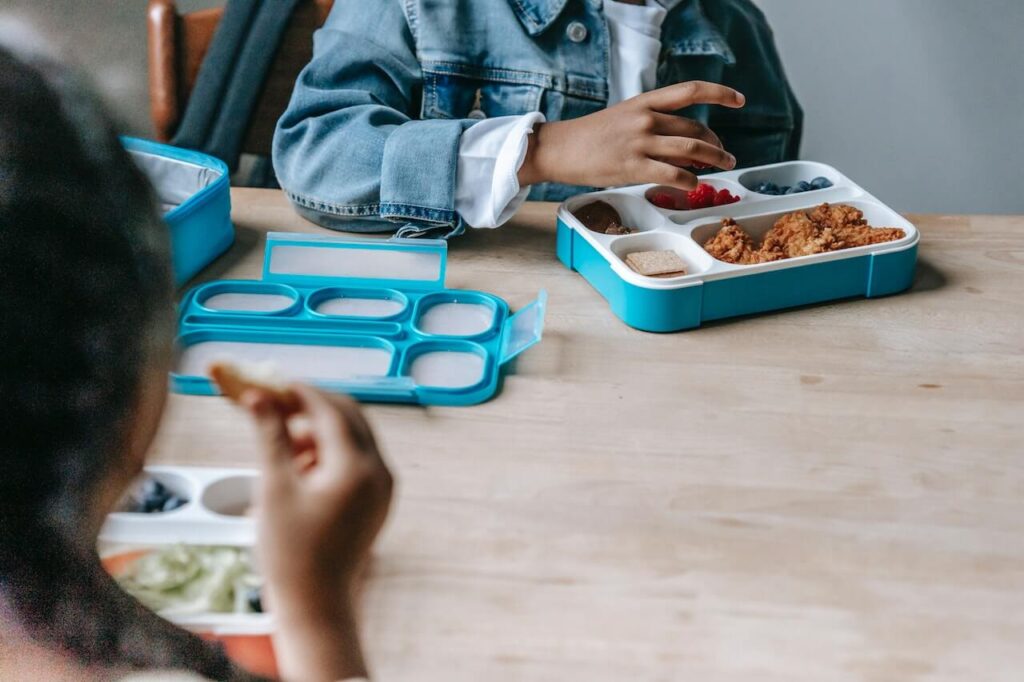
Encouraging kids to eat healthy can be a challenge, but there are several tricks and strategies you can try to make it easier and more enjoyable for them. Here are some suggestions:
Be a role model: Children are more likely to eat healthy foods if they see their parents or caregivers doing the same. Make sure you’re eating a variety of nutritious foods and showing enthusiasm for healthy eating.
Involve children in meal planning and preparation: When kids have a say in what they eat, they are more likely to try new foods. Let them choose fruits and vegetables at the grocery store and involve them in age-appropriate cooking tasks, such as washing produce, stirring ingredients, or assembling salads.
Make healthy food fun: Present healthy foods in creative and appealing ways. Use cookie cutters to shape fruits and vegetables into fun shapes, arrange them on a plate to create a smiley face, or create colorful fruit and vegetable skewers.
Sneak in nutritious ingredients: If your child is a picky eater, try incorporating healthy ingredients into dishes they already enjoy. For example, you can blend vegetables into pasta sauces, add pureed fruits to pancakes or smoothies, or use whole wheat flour instead of white flour in baked goods.
Offer a variety of options: Provide a range of healthy food choices, including different fruits, vegetables, whole grains, and lean proteins. This gives kids the opportunity to choose what they like and helps develop their taste preferences.
Make mealtimes enjoyable: Create a positive and relaxed atmosphere during meals. Avoid pressuring or forcing your child to eat specific foods. Instead, focus on making mealtimes a pleasant experience by engaging in conversations and avoiding distractions like TV or electronic devices.
Create healthy snacks: Keep a supply of nutritious snacks readily available, such as cut-up fruits and vegetables, yogurt, hummus, or nuts. When kids feel hungry between meals, they will be more likely to reach for healthy options.
Get kids involved in gardening: Growing vegetables or herbs in a garden or pots can be a fun and educational activity for kids. They will have a sense of pride and curiosity about the food they helped grow, making them more interested in eating it.
Teach them about nutrition: Explain the benefits of healthy eating to your children in an age-appropriate way. Help them understand how different foods fuel their bodies and support their growth and development.
Limit unhealthy options: While it’s important to allow some treats occasionally, try to limit the availability of unhealthy foods like sugary snacks, sodas, and fast food. Make these items an occasional indulgence rather than a regular part of their diet. Remember, developing healthy eating habits is a gradual process, and it may take time for your child to embrace new foods. Patience, consistency, and a positive attitude are key to successfully encouraging healthy eating habits in children.